16Jan

EV Charging for Restaurants & Small Fleets: Costs, Incentives, Mistakes
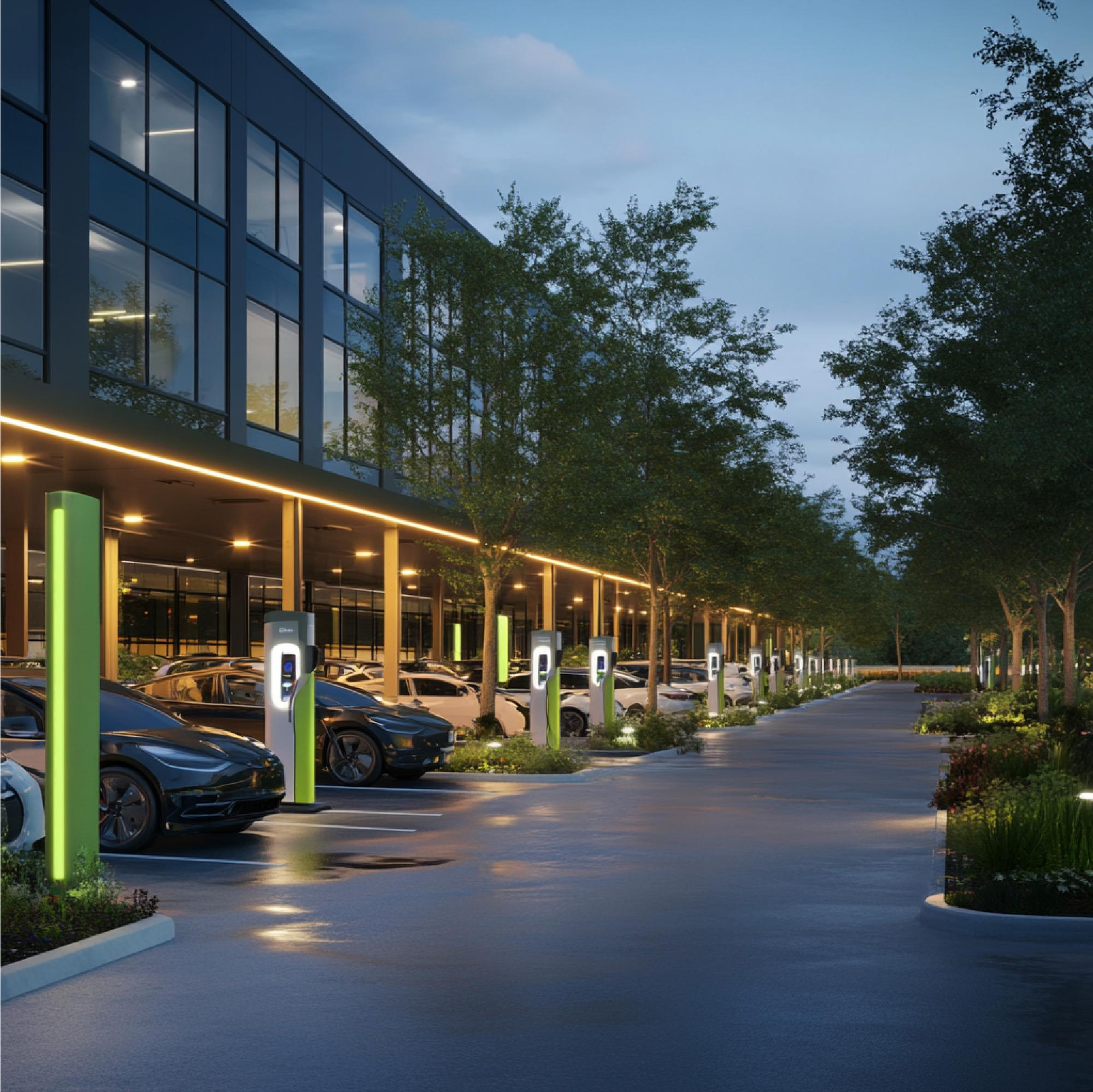
Adding EV charging at a restaurant or small fleet site can bring customers, support staff retention, or simplify operations—but only if you plan for real utility costs and site constraints.
Site types (and why they matter)
- Customer-facing chargers: uptime, access control, and signage matter
- Employee charging: predictable schedules, simpler billing
- Fleet charging: power planning is everything—load profiles drive cost
Capex vs opex: what actually drives cost
- Electrical infrastructure: panel capacity, trenching, conduit routes
- Charger type: power level, network features, ruggedness
- Operations: maintenance, software/network fees, usage tracking
- Utility rate impacts: demand charges can be a surprise in some cases
Incentives and funding (high-level)
There may be local/state/utility programs depending on site and timing. The key: design a project that can document scope and performance.
The cheapest charger isn’t cheap if it forces a service upgrade you didn’t plan for.
Mistakes that create expensive rework
- Assuming the panel has capacity
- Picking chargers before confirming conduit routes and placement
- No plan for access control (public vs private use)
- Skipping load management when it’s the easiest win

Next step
MC2 Construction Group Inc DBA MC2 Electric can assess capacity, propose right-sized charger options, and reduce install surprises for Bay Area commercial sites.