02Jun

San Francisco Commercial Lighting: Preparing for the 2026 Title 24 Electrical Code Updates
For business owners, facility managers, and developers in San Francisco, the electrical landscape is shifting.
California leads the nation in energy efficiency and sustainability, and the California Energy Commission’s (CEC) three-year update cycle is about to introduce new mandates. On January 1, 2026, the new 2025 California Building Energy Efficiency Standards (Title 24, Part 6) will officially go into effect.
These updates will bring stricter requirements for commercial lighting, power density, and automated controls. If you are planning a new commercial build, a major renovation, or a tenant improvement project in the Bay Area, here is what you need to know to ensure your lighting systems are compliant, cost-effective, and future-proof.
1. Stricter Lighting Power Density (LPD) Limits
The days of over-lighting spaces are over. The new code reflects the incredible advancements in LED technology by further reducing the allowable Lighting Power Density (watts per square foot) across various commercial spaces.
For example, the updated 2025 standards mandate a 5% reduction in power limits for many common areas:
- Office Spaces: Dropping from 0.75 W/ft² to 0.65 W/ft²
- Retail Spaces: Dropping from 1.0 W/ft² to 0.9 W/ft²
What this means for you: To hit these strict targets, your commercial space must utilize high-performance, high-efficacy LED fixtures. MC2 Electric can help you specify and install DLC Premium-rated fixtures that maximize lumens per watt, ensuring you get the brightness your space needs without failing inspection.
2. Expanded Occupancy and Vacancy Sensor Mandates
Title 24 is no longer just about the light fixture itself; it is about how that fixture is controlled. The 2025 update broadens the requirements for automatic shutoff and occupancy sensors.
Under the new rules, occupancy sensors will be required in a wider variety of commercial zones, including all open office areas, with control zones restricted to no more than 600 square feet. Furthermore, the code mandates that these sensors must dim or turn off lights within 20 minutes of a space being vacated.
3. Aggressive Daylight Harvesting
San Francisco buildings with ample natural light will need to make better use of it. The 2025 update expands daylight harvesting requirements for zones exceeding 75 watts.
If your commercial space features large windows or skylights, your lighting system must include daylight-responsive controls in both primary and secondary daylight zones. When natural sunlight is pouring into the room, your artificial lighting power must automatically drop by at least 90%.
4. Demand-Responsive Controls for Larger Buildings
Grid resilience is a major focus for California over the next decade. If your nonresidential building is larger than 10,000 square feet, the new code requires the implementation of demand-responsive controls.
These smart systems must be capable of automatically communicating with the grid and reducing lighting power usage by at least 15% during periods of peak electricity demand or grid stress.
Modern electrical compliance is no longer just about the wattage of the bulb; It’s about how intelligently your building responds to the people inside it.
5. Integration with San Francisco’s Electrification Push
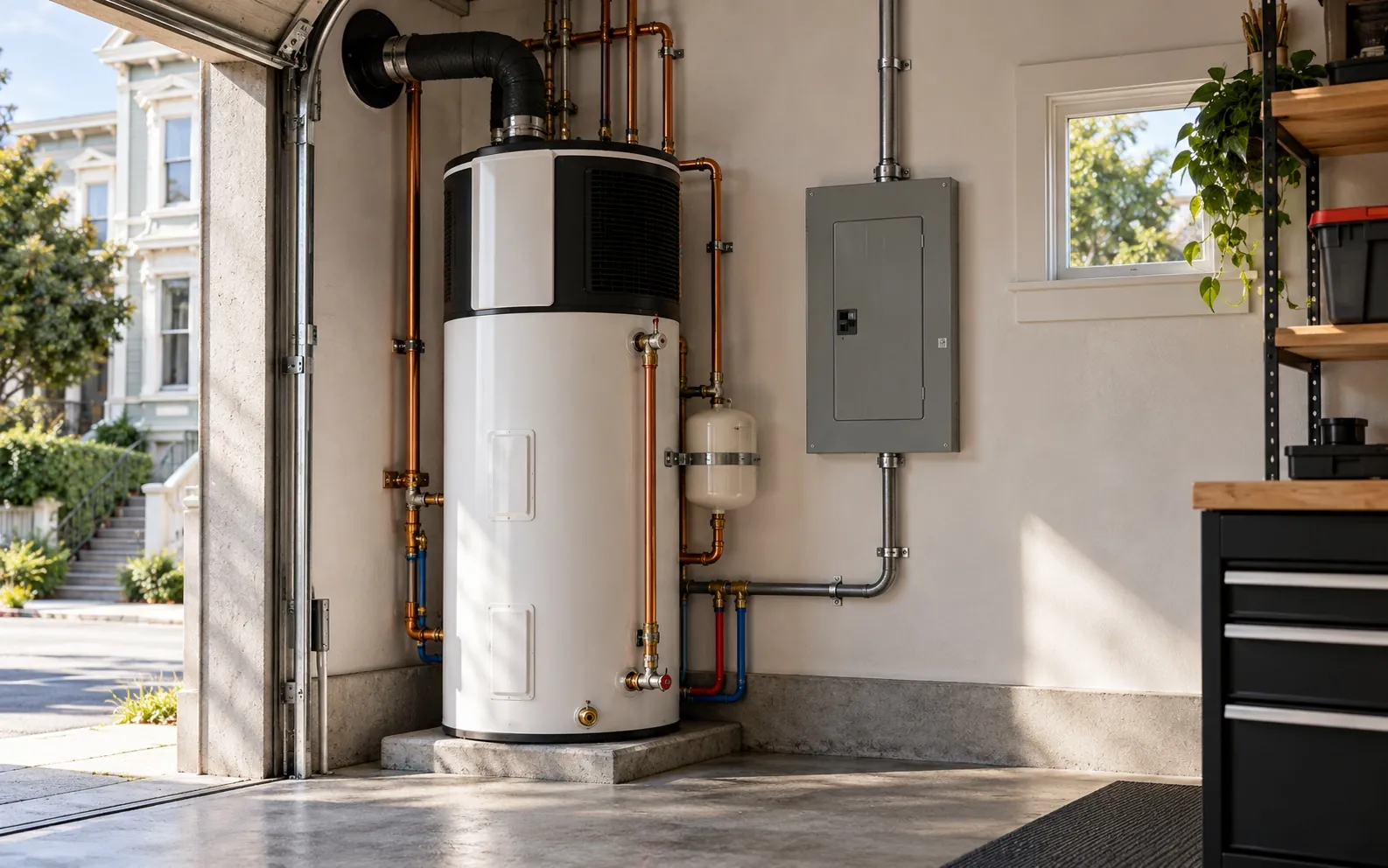
Beyond lighting, these Title 24 updates coincide with San Francisco’s aggressive push toward building electrification. Starting in July 2026, many major commercial renovation projects in the city will be required to transition entirely to electric space and water heating, abandoning natural gas.
As commercial buildings transition to all-electric systems, overall electrical load management becomes critical. Your lighting controls must integrate seamlessly with your broader electrical infrastructure to avoid overloading panels and to optimize energy consumption.

Next step
Prepare for the 2026 Title 24 electrical updates. MC2 Electric designs smart lighting controls to ensure your San Francisco commercial spaces are fully compliant.