08Jun

2026 Title 24 Updates: What San Francisco Property Owners Need to Know
The regulatory landscape in California moves fast, but the impending shift arriving on January 1, 2026, represents one of the most substantial leaps in building infrastructure we’ve seen to date. Driven by aggressive climate goals, the 2025 California Building Standards Code (Title 24, Part 6) will officially take effect, accelerating the state’s transition toward full building decarbonization and electrification.
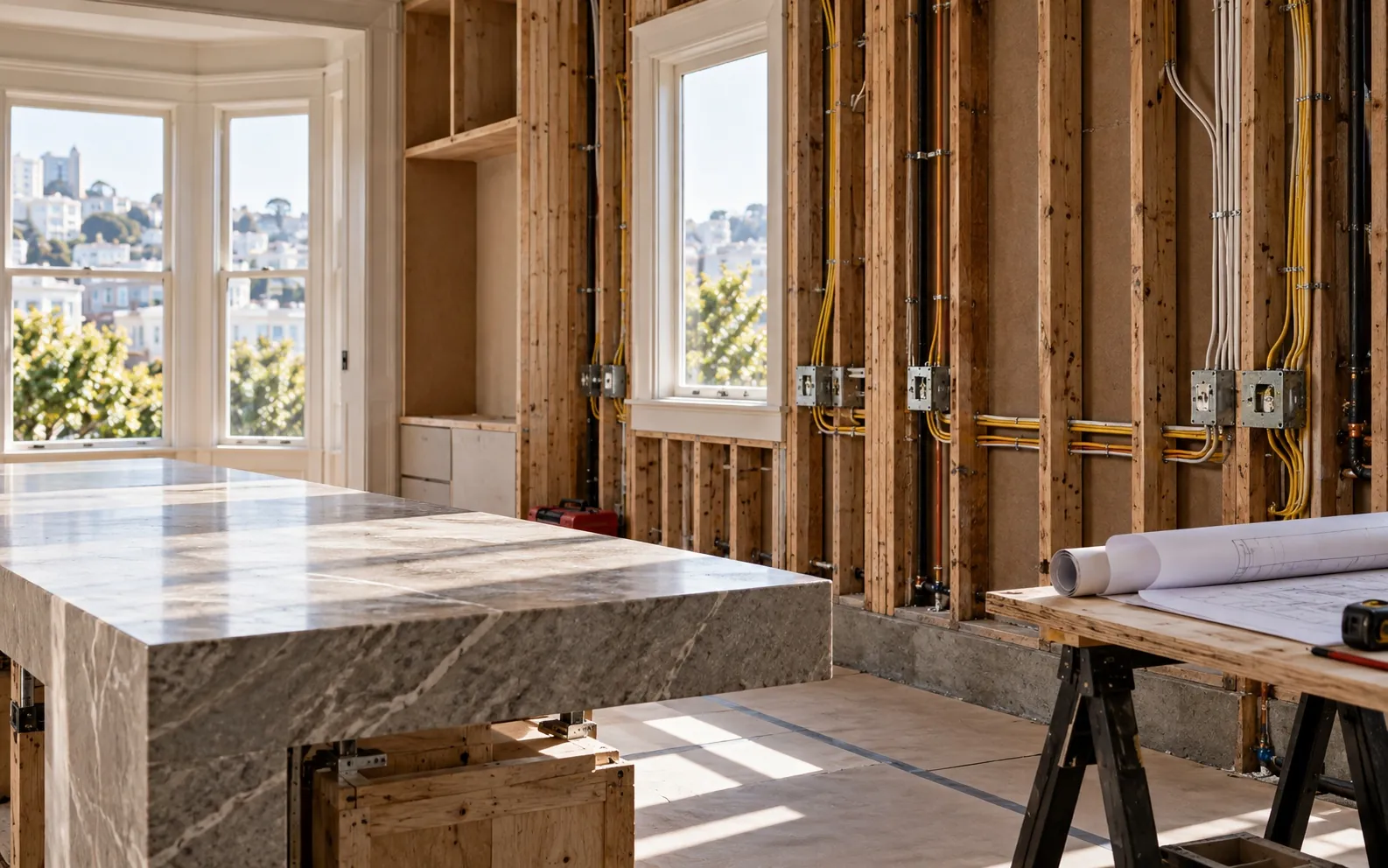
For property managers, business owners, and high-end residential developers in San Francisco and the wider Bay Area, “business as usual” is no longer viable. The new code dictates strict enhancements for energy efficiency, placing immense demands on a building’s electrical backbone. If you are planning a renovation, an addition, or a ground-up build, understanding these electrical mandates now is the only way to prevent costly project delays later.
Here is what you need to know about the new Title 24 updates and how they impact your electrical infrastructure.
The Core Shift: Building Electrification
The primary goal of the new 2026 updates is to actively phase out fossil fuels, specifically natural gas, in favor of highly efficient electrical alternatives. This shift drastically increases the baseline electrical load that San Francisco buildings must be equipped to handle safely and sustainably.
Mandatory Electric-ReadyInfrastructure
Perhaps the most crucial update for property owners is the strict “electric-ready” requirement. Even if a property is not installing new electric appliances on day one, the electrical panel must be structured to handle the future load.
When upgrading main electric panels or constructing new spaces, compliance now requires:
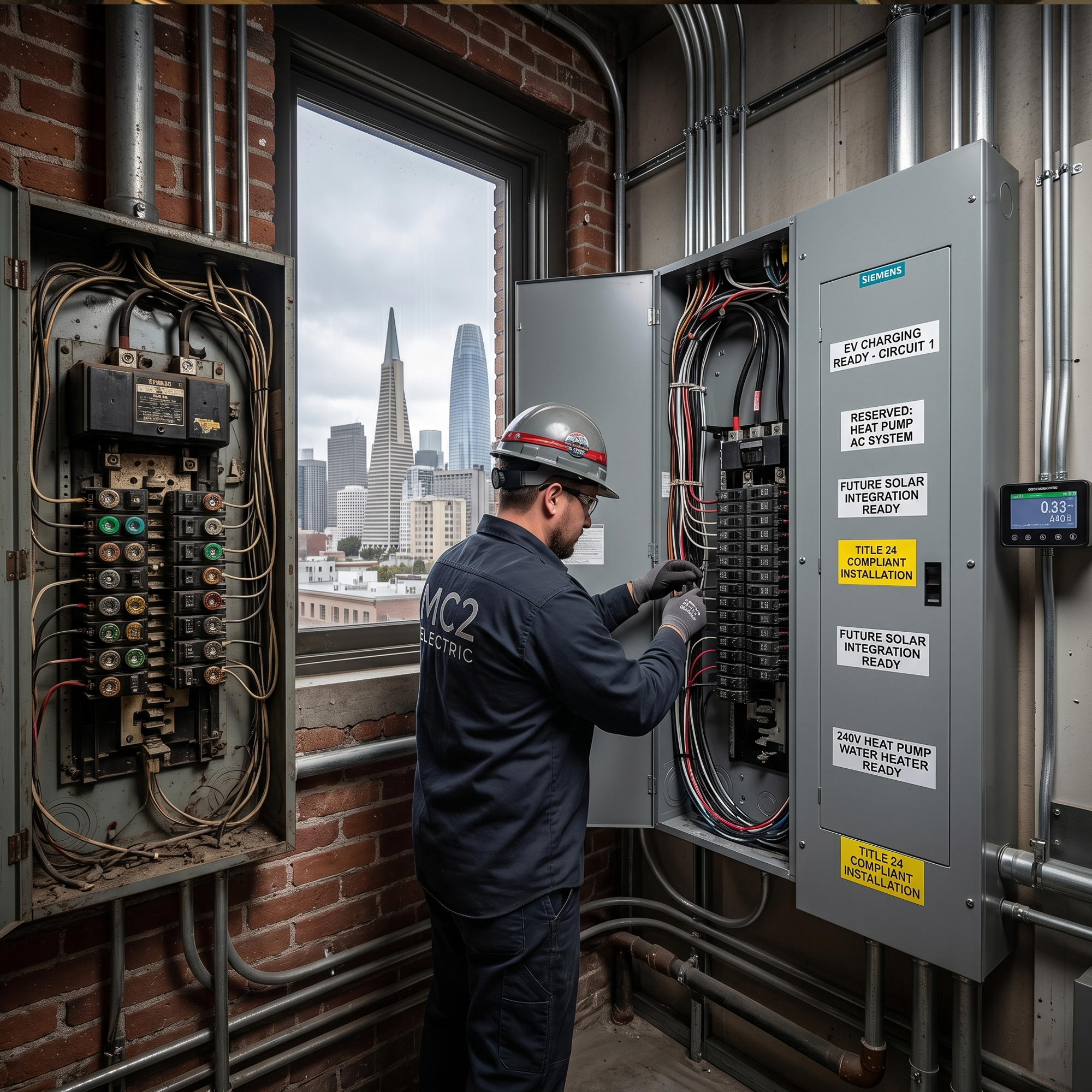
- Reserved Breaker Capacity: Dedicated, permanently labeled breaker spaces mapped out specifically for future EV chargers, photovoltaic (solar) arrays, and heat pump systems.
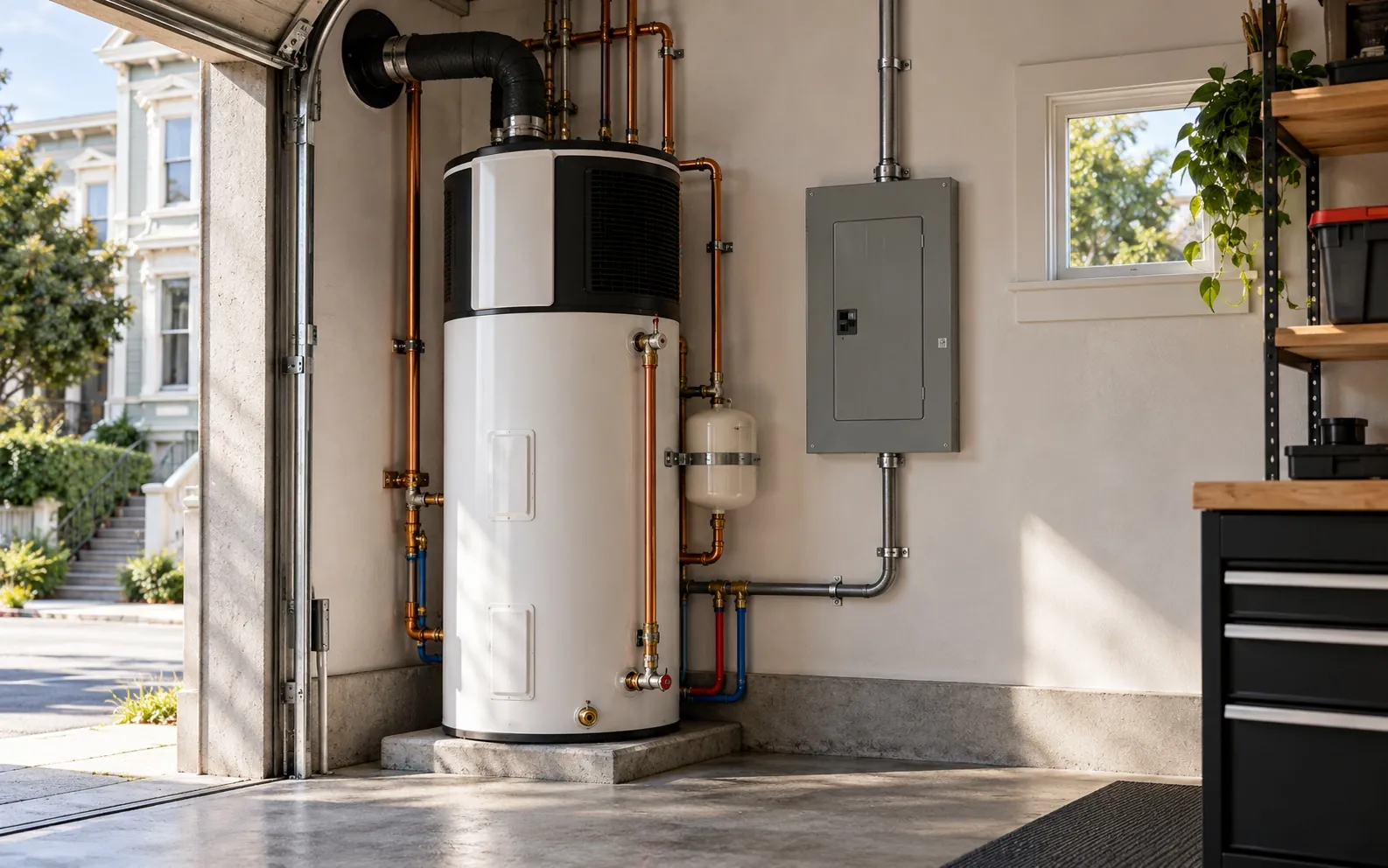
- Dedicated 240-Volt Circuits: Specialized high-voltage branch circuits must be pre-installed within three feet of existing gas water heaters.
- Labeling Standards: All unused conductors must be strictly identified as "240-volt ready" to streamline future decarbonization efforts.
Preparing for Heat Pumps & EV Expansion
Under the new code, space heating and water heating are moving aggressively toward electric heat pump technology. Because heat pumps require dedicated, continuous power, existing electrical services in older San Francisco properties will likely lack the necessary amperage. Assessing your current panel load calculation is a vital first step before drafting architectural or mechanical plans.
Elevated Ventilation & Solar Standards
Energy storage and solar generation regulations have also been tightened. With enhanced ventilation standards pushing HVAC systems to work more efficiently, the integration between battery storage systems, solar arrays, and the main switchgear requires precision engineering. Integrating these technologies flawlessly will ensure your facility maximizes energy efficiency while meeting strict city-level inspection standards.
In the Bay Area, an electrical panel is no longer just a breaker box it is the centralized hub of your property’s future valuation. With the 2026 Title 24 mandates rolling out, passive energy management is completely obsolete. Your building's infrastructure must be intelligent, modular, and uncompromisingly ready for full decarbonization.
Why Bay Area Properties Cannot Wait
San Francisco routinely adopts local amendments that push state standards even further. With Senate Bill 1000 and the city’s aggressive Climate Action Plan (CAP) aiming for zero carbon emissions by 2030, building officials will be enforcing these electrical standards rigorously. Waiting until 2026 to evaluate your infrastructure guarantees bottlenecks in permitting and higher labor costs as the entire market scrambles to comply.

Next step
Are your San Francisco properties ready for the 2026 Title 24 codes? Book a comprehensive electrical consultation with MC2 Electric to ensure your compliance now.