08Jun

2026 CALGreen EV Mandates: Is Your San Francisco Property Ready?
Electric vehicle adoption is accelerating across the Bay Area, and California’s regulatory framework is moving aggressively to ensure commercial and residential infrastructure keeps pace. On January 1, 2026, the updated California Green Building Standards Code (CALGreen) goes into effect, introducing some of the most stringent electric vehicle (EV) charging mandates in the nation.
For San Francisco property managers, hotel operators, and high-density residential developers, treating EV chargers as a luxury amenity is no longer an option. The new code transitions EV infrastructure into a mandatory foundational requirement. Understanding these comprehensive building standards today is critical to avoiding heavy redesign costs and permitting delays for your upcoming projects.
The 2026 CALGreen EV Requirements Explained
The upcoming CALGreen updates fundamentally redefine baseline electrical capacity for new construction and major renovations. The state recognizes that a lack of overnight charging access is a major bottleneck for EV adoption, and the burden of solving this falls on property owners.
Under the new 2026 codes, the infrastructure demands are significant:
- Massive Increases in EV-Ready Spaces: For new multifamily housing developments and hotels, a staggering 40% of all parking spaces must now be capable of supporting a low-power Level 2 EV charger.
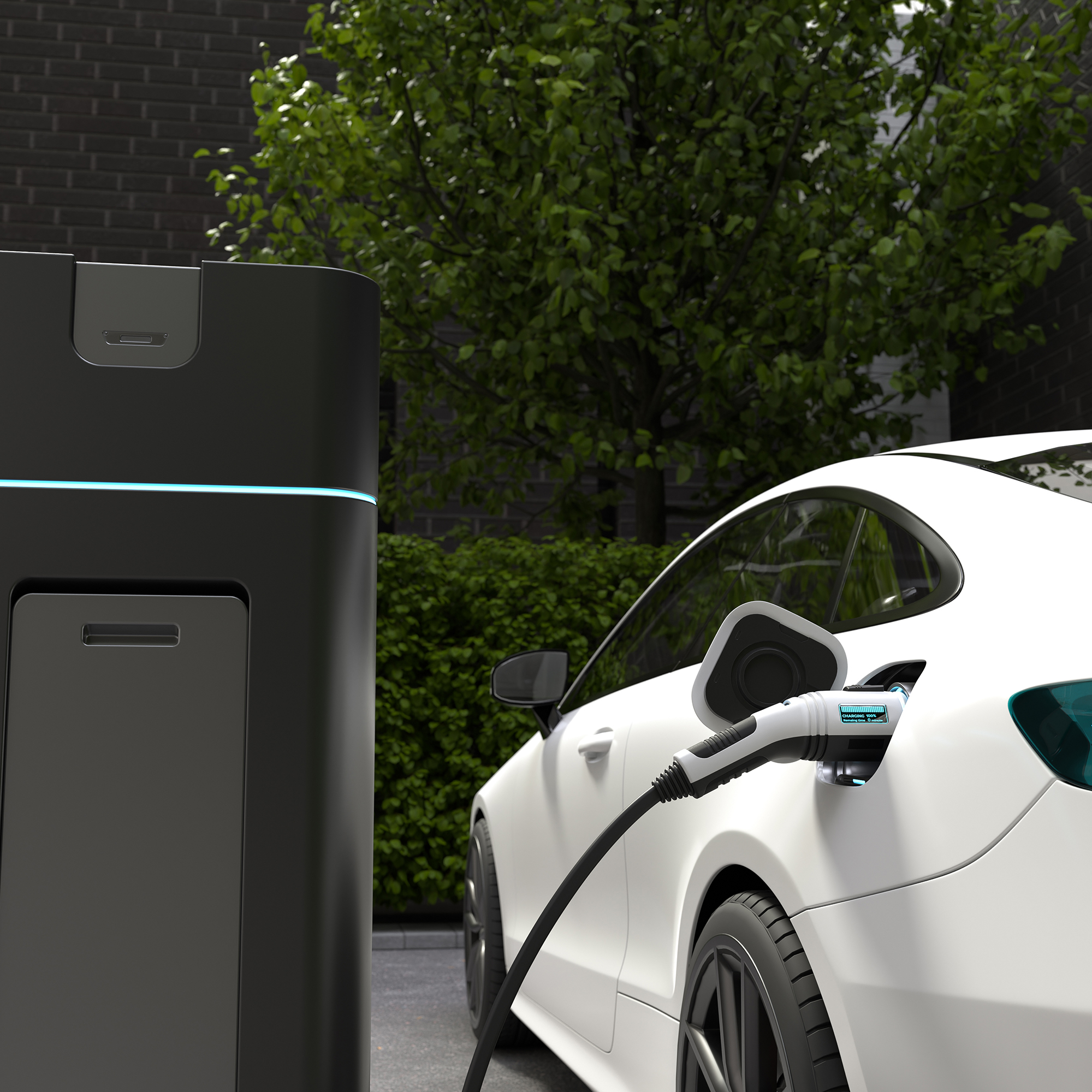
- Mandatory Active Chargers: It is no longer enough to just run empty conduit. The 2026 update mandates that 10% of parking spaces in these facilities must be fully equipped with operational Level 2 EV chargers on day one.
- Unassigned Parking Standards: If a property utilizes unassigned parking, the code strictly dictates that one Level 2 EV-ready receptacle must be provided for every single dwelling unit.
Navigating Load Calculations and NEC 2026
Meeting these CALGreen thresholds requires massive baseline electrical capacity. Fortunately, the 2026 National Electrical Code (NEC) arrives in tandem with these state laws to offer a modernized approach to load management.
Because dedicating independent 40-amp circuits to dozens of parking spaces would overwhelm traditional utility services, modern properties must leverage Automatic Load Management Systems (ALMS). The new regulations allow properties to utilize ALMS to dynamically distribute power across multiple vehicles, provided each charger can receive a minimum simultaneous output. Furthermore, the brand-new NEC Article 624 officially addresses bidirectional power transfer, paving the way for Vehicle-to-Grid (V2G) systems that allow electric vehicles to temporarily feed power back into the building’s ecosystem.
The 2026 CALGreen mandates transform parking garages into complex, high-voltage energy hubs. In San Francisco's hyper-competitive real estate market, developers who strategically integrate smart load management and bidirectional charging now will turn strict code compliance into their most valuable tenant amenity.
How Property Owners Can Prevent Bottlenecks
Retrofitting an aging San Francisco property to meet these heavy-duty capacity requirements is exponentially more expensive than designing it correctly the first time. If you are entering the architectural planning phase for a 2026 build, your main switchgear, sub-panels, and conduit routing must be engineered specifically around these CALGreen thresholds. Partnering with a specialized local electrical contractor ensures your facility implements smart load-sharing technologies, drastically reducing the physical footprint of your electrical equipment while achieving full compliance.

Next step
Ready for the rigorous 2026 CALGreen EV rules? Contact MC2 Electric to future-proof your San Francisco commercial buildings and prevent costly project delays now.