
After the Federal Tax Credits: What’s Left for SF in 2026
By the MC2 Electric team · Last reviewed October 14, 2026 · 4 min read
- Ended: the home efficiency credit (25C) and residential clean energy credit (25D) for installs after 2025, the EV purchase credits after September 30, 2025, and the EV charger credit (30C) after June 30, 2026.
- Still available, with conditions: CleanPowerSF and SF Environment heat pump programs, income-qualified PG&E and state programs, utility make-ready for EV charging, and SGIP for batteries where funding remains.
- For businesses: 179D ended for construction starting after June 30, 2026. Commercial storage credits remain under new restrictions.
- The upside: 2026 rate changes reduced per-kWh prices, which improves the operating math for electrified homes.
For three years, a 30% federal tax credit did a lot of the persuading for heat pumps, solar, batteries and chargers. Federal legislation signed on July 4, 2025 brought most of that to an end, in stages that finished in mid-2026. If you are planning work in San Francisco now, here is the honest picture of what is gone, what remains and how to make the decision on the numbers that are left.
What ended, and when
| Federal incentive | What it covered | Last eligible |
|---|---|---|
| 25C Energy Efficient Home Improvement Credit | Heat pumps, HPWHs, panels, insulation, windows | Property placed in service by December 31, 2025 |
| 25D Residential Clean Energy Credit | Solar, home batteries, geothermal | Expenditures made (installation complete) by December 31, 2025 |
| 30D / 25E / 45W vehicle credits | New, used and commercial EVs | Vehicles acquired by September 30, 2025 |
| 30C Alternative Fuel Refueling Property Credit | EV chargers | Placed in service by June 30, 2026 |
| 45L New Energy Efficient Home Credit | New homes and units | Acquired by June 30, 2026 |
| 179D Commercial Buildings Deduction | Efficient commercial building systems | Construction beginning by June 30, 2026 |
If you completed a qualifying project before those dates, the credit may still be claimed on that year’s return. Ask your tax advisor.
What remains for San Francisco
| Program | For | Notes (October 2026) |
|---|---|---|
| CleanPowerSF heat pump water heater credit | CleanPowerSF customers installing an HPWH | Monthly bill credit with demand-response enrollment. Confirm current terms. |
| SF Environment Climate Equity Hub | Households at or under 80% of area median income | Stacked funding can cover a heat pump water heater for qualifying homes |
| SGIP (Self-Generation Incentive Program) | Batteries, with an equity and resiliency focus | Funding depends on budget category. Check live status before you plan on it. |
| PG&E Rule 29 make-ready | Separately metered EV charging | PG&E covers utility-side infrastructure |
| PG&E Empower EV | Income-qualified households | Charger and panel assistance. Check eligibility. |
| SFPUC EV Charge SF | New construction EV infrastructure | Program terms vary by project |
| State HEEHRA rebates | Income-qualified electrification | Single-family phase fully reserved, waitlist only |
| TECH Clean California | Heat pumps | Single-family reservations closed December 2025. Multifamily rounds run periodically. |
Regional reporting in September 2026 put Bay Area heat pump incentives at tens of millions of dollars a year, so funding has not disappeared. It is narrower and more targeted.
For businesses and building owners
- 179D no longer applies to projects that begin construction after June 30, 2026.
- Commercial storage remains eligible for the technology-neutral investment credit (48E), subject to new foreign-entity sourcing restrictions. Commercial solar faces tighter construction and in-service deadlines. Get tax advice before you rely on either.
- Utility programs for EV fleets and make-ready have changed. PG&E’s EV Fleet program closed to new applications in mid-2026, while Rule 29 continues.
How to decide without the credit
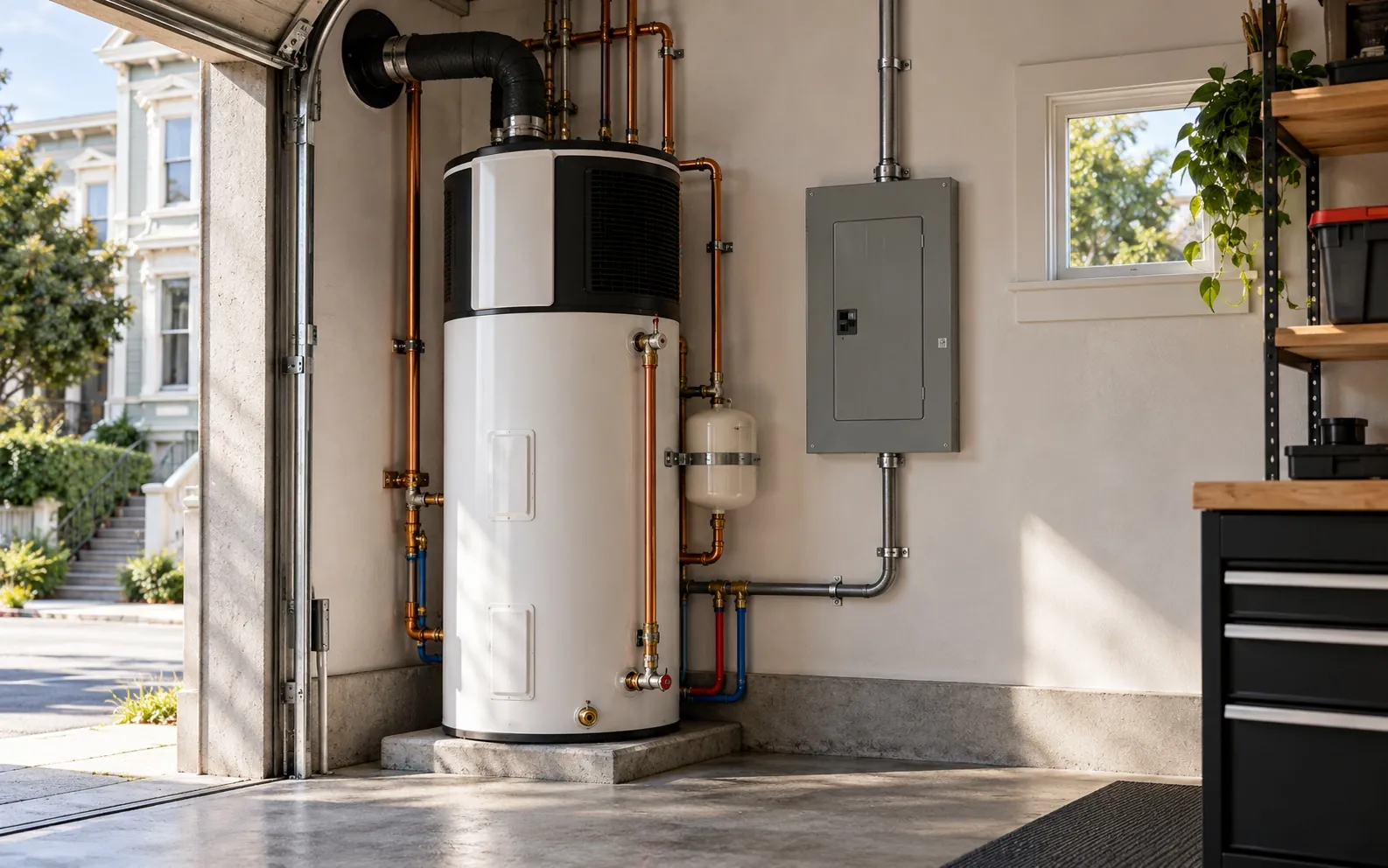
- Start with replacement timing. The best moment to switch a water heater or furnace is before it fails. That matters more now that the air district rules are coming. See the 2027 water heater rule.
- Use current rates. PG&E’s Base Services Charge lowered per-kWh prices in 2026. See how bills changed.
- Avoid unnecessary electrical upgrades. Without a credit to absorb it, a service upgrade weighs more. Measure first. See electrifying on existing service.
- Check local programs at the start, because many require a reservation or pre-approval before work begins.
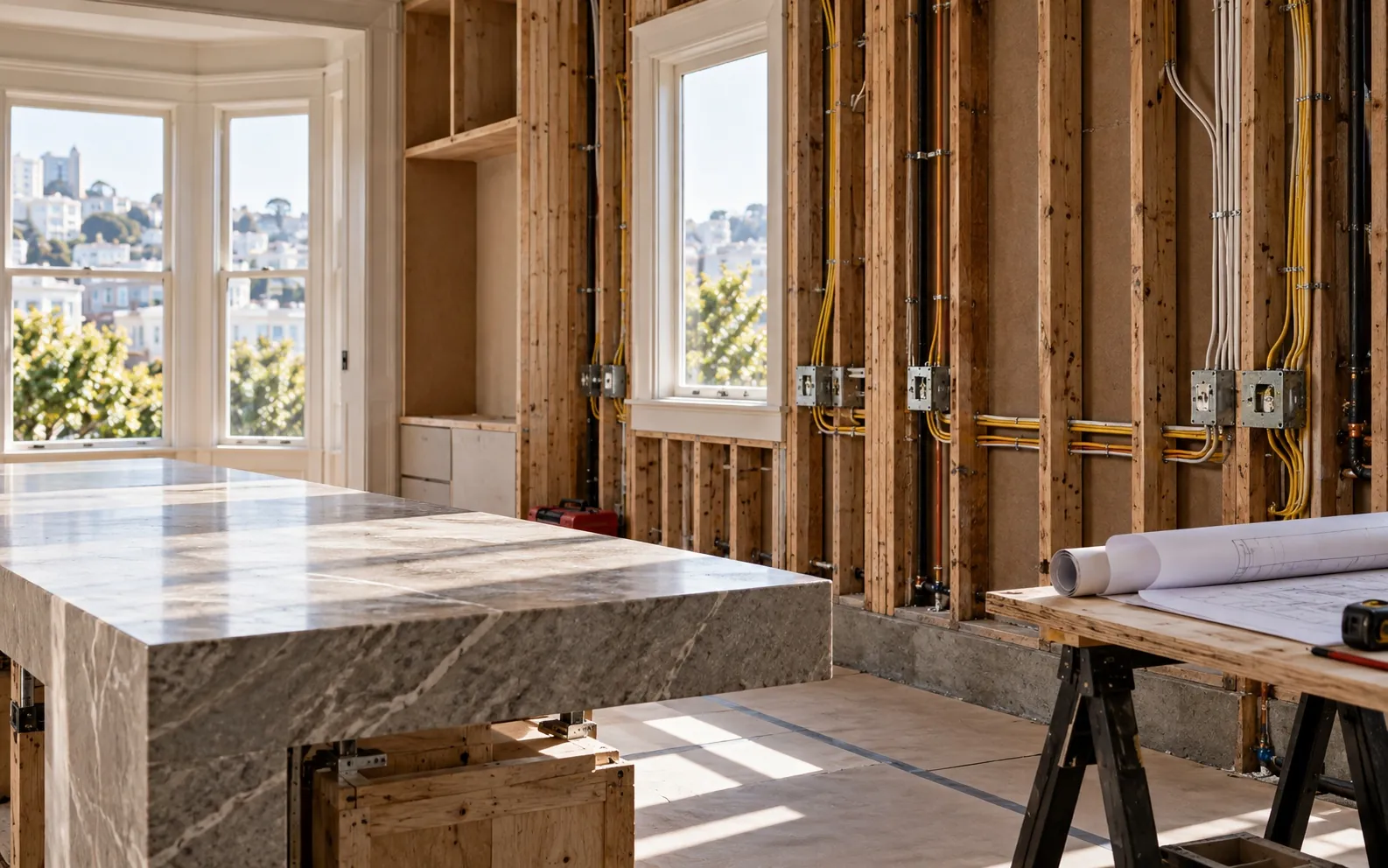
- Phase the work. Run circuits and conduit during a remodel, then add equipment when it is due.

The credit used to close the deal. Now the project has to make sense on its own: comfort, safety, operating cost and the timing of equipment you would have to replace anyway.
Questions we hear often
Can I still get the 30% federal tax credit for a heat pump or solar in 2026?
No. The 25C credit ended for property placed in service after December 31, 2025, and the 25D credit ended for expenditures made after that date. Projects completed in 2025 may still be claimed on 2025 returns.
Is the federal EV charger tax credit gone?
Yes. The 30C credit ended for chargers placed in service after June 30, 2026.
What heat pump incentives are still available in San Francisco?
Options include CleanPowerSF’s heat pump water heater bill credit and SF Environment’s Climate Equity Hub for income-qualified households. Some state and regional programs open in rounds or are waitlisted. Check status before you begin work.
Do commercial buildings still get the 179D deduction?
Not for projects that begin construction after June 30, 2026.
Is going electric still worth it without the tax credits?
Often, especially when equipment is due for replacement anyway. Lower 2026 per-kWh rates and avoiding unnecessary service upgrades help the math. Each home is different, so compare installed cost and operating cost for your situation.
Sources and further reading
We checked the facts in this article against these primary sources. Rules, rates and incentives change, so confirm current details before you make a decision.
- IRS: FAQs on modified energy credits under P.L. 119-21
- California Energy Commission: HEEHRA program notice (February 2026)
- CPUC: Self-Generation Incentive Program
- TECH Clean California news
- Axios San Francisco: Bay Area heat pump rebates (September 2026)
- PG&E EV Fleet program update (Q2 2026)
This article is general information for San Francisco readers, not legal, tax or engineering advice for a specific property.